


How Climate Extremes Amplify Algal Blooms, and What Water Managers Must Do

Updated: Jul 17, 2025
Around the globe, climate change, regardless of its cause, is intensifying extreme weather events, including unprecedented heat waves, prolonged droughts, and devastating storms. These shifts have profound implications for water bodies, creating conditions that fuel climate change algal blooms. Water managers face an increasingly complex challenge: mitigating the harmful consequences of these blooms as they become more frequent and severe. The urgency for robust, science-based action has never been higher.
While some regions may have historically experienced harmful algal blooms only during warmer months, many are now grappling with blooms that emerge earlier, last longer, and reappear unexpectedly due to shifts in seasonal rainfall patterns and unpredictable temperature fluctuations. These changes make it harder to rely on historical patterns when planning water resource management strategies.
The Science Behind Algal Blooms and Climate Extremes

Algal blooms, particularly harmful species, thrive in the altered conditions driven by climate change. Rising temperatures accelerate the metabolic rates of phytoplankton, prolonging bloom events and intensifying their impact. Warmer surface waters can also lead to stronger and longer-lasting thermal stratification, which in turn traps nutrients in the upper layers, creating an ideal breeding ground for rapid algal growth.
Meanwhile, droughts reduce water turnover and flushing, allowing blooms to persist longer in water bodies and reservoirs that supply drinking water to towns and cities. Less water flow means pollutants and nutrients remain concentrated, giving blooms an additional advantage. Conversely, floods triggered by intense rainfall can wash large quantities of nutrients—such as nitrogen and phosphorus—into lakes, rivers, and reservoirs, setting the stage for sudden, explosive bloom growth.
Furthermore, climate-driven changes in weather patterns can disrupt the delicate ecological balance that would normally keep bloom-forming species in check. Opportunistic algae, often the harmful types, adapt quickly to new conditions, outcompeting beneficial species and creating knock-on effects throughout the aquatic food web.
Emerging research also suggests that higher levels of atmospheric carbon dioxide can stimulate some bloom-forming algae to grow more rapidly than others. These species can adapt to changing pH conditions in freshwater bodies, potentially shifting the entire ecosystem balance in their favour.
Case Examples from Recent Events
In early 2024, elevated cyanobacteria levels in Lake Rotorua and Lake Rotoiti forced the Rotorua Lakes Council to issue urgent public health warnings. Residents and visitors were advised to avoid contact with affected waters due to risks including stomach upsets and visual problems linked to toxic blooms. Families had to cancel recreational plans, and local businesses depending on lake tourism reported immediate revenue losses as visitor numbers dropped.
Similarly, in 2022, heavy rainfall in the Mississippi Basin resulted in extensive nutrient runoff, leading to one of the largest hypoxic zones recorded in the Gulf of Mexico, driven partly by massive algal proliferation. This dead zone stretched for thousands of square kilometres, devastating local fisheries and highlighting how far-reaching the consequences of unmanaged nutrient flows and blooms can be.
Recent monsoon-driven floods in Southeast Asia have repeatedly triggered not only localised flooding but also widespread water quality crises. In some regions, communities already facing limited access to clean drinking water had to contend with water bodies choked with algae. In rural villages, these blooms clogged irrigation canals, affected livestock watering points, and worsened tensions over shared water resources.
Even in parts of Europe, unexpected heatwaves during spring and autumn have resulted in smaller but persistent blooms in rivers and lakes that were historically bloom-free outside the peak summer window. These events serve as a stark reminder that water managers must be ready to adapt to increasingly unpredictable conditions.
Consequences for Water Managers and Communities
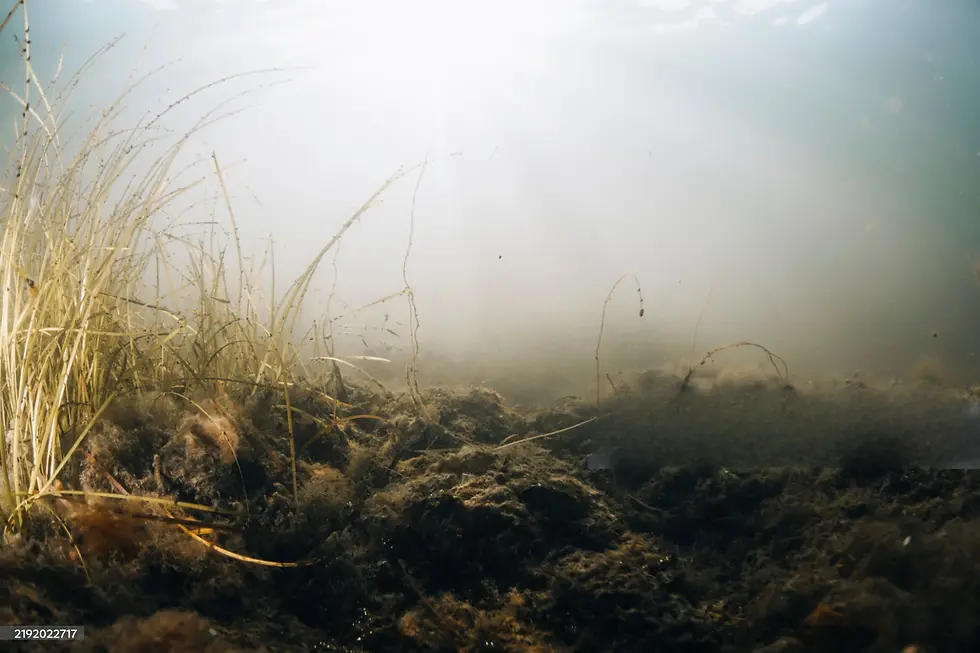
Unchecked climate change algal blooms pose multi-dimensional threats that ripple through ecosystems, economies, and communities. Toxins, taste, and odour compounds from harmful species jeopardise drinking water safety and raise treatment costs, sometimes forcing treatment plants to invest in expensive additional filtration and disinfection stages. For smaller councils and utilities, this sudden burden can strain already tight budgets.
Aquatic biodiversity suffers as blooms outcompete or poison native flora and fauna. Fish kills linked to oxygen depletion are a familiar but devastating consequence, damaging local food chains and livelihoods dependent on healthy fisheries. Birdlife and amphibians can also be affected when toxic blooms disrupt breeding habitats or accumulate in the food web.
Industries that rely on clean water, such as aquaculture, recreational tourism, and waterfront hospitality, feel the impacts directly in the form of lost revenue, damage to reputation, and increased operational risks. The reputational stakes for water managers and local authorities are equally high. Public trust erodes quickly when residents see bright green scum on local lakes, hear warnings on the news, or face restrictions on water use.
The broader health risks linked to exposure to harmful algal blooms are a growing concern, too. Not all toxins produced by algae are well understood, and new research continues to uncover potential links to long-term health effects when contaminated water is used for drinking or recreation. For water managers, the challenge goes beyond environmental stewardship; it is about safeguarding public health while meeting ever-tightening regulations.
Building a Resilient Response Strategy
To address climate-driven algal blooms effectively, water managers must adopt layered, practical strategies that target root causes rather than relying solely on reactive measures.
Nutrient load reduction remains the most impactful long-term action. Investing in upstream catchment management can significantly reduce the influx of bloom-fuelling nutrients. Well-placed buffer zones of vegetation along riverbanks help capture runoff, while sustainable agricultural practices—like precision fertiliser use and improved soil health—reduce excess nutrients leaving farms. Wetland restoration projects not only filter nutrients naturally but also create habitats for native species, supporting wider ecosystem resilience.
Ultrasonic algae control innovations provide an effective complementary approach for sites where blooms are already a seasonal reality. By targeting algae at a cellular level, ultrasonic systems can help prevent large blooms from forming, reduce chemical dependency, and maintain balanced conditions for other aquatic organisms. For councils and utilities committed to sustainability goals, this method aligns with the push to adopt more nature-friendly, energy-efficient technologies.
Adaptive reservoir management is equally critical. Simple interventions like artificial mixing can disrupt thermal stratification, denying algae the stable layers they need to thrive. Controlled flow regulation, where feasible, can mimic more natural turnover rates, preventing stagnant pockets that foster blooms. These measures are often cost-effective compared to the longer-term expense of repeated emergency bloom responses.
Integrated action plans draw all these elements together. No single solution is sufficient on its own. Proactive councils and catchment managers work closely with local communities, landowners, industry, and scientific advisors to align regulations, incentives, and on-the-ground action. Public education is an important element too: when residents understand how everyday activities—like using fertilisers or managing wastewater—connect to local bloom risks, they are more likely to support or adopt positive changes.
What Forward-Thinking Water Managers Must Do Now

The path forward for water authorities, councils, and catchment managers is clear:
Prioritise proactive controls that target root causes. This means investing in well-designed nutrient reduction programmes, applying non-chemical treatment technologies like ultrasonic algae control, and continuously improving catchment practices to limit runoff. These actions pay dividends by reducing future costs associated with emergency clean-ups and damage control.
Strengthen collaboration at all levels. A resilient approach to harmful algae requires coordination across sectors. Water managers should build long-term partnerships with scientists to stay updated on new research, with landowners to promote sustainable farming, and with local communities to ensure awareness and support for preventative measures.
Plan for climate adaptation in every aspect of water management. This includes reviewing infrastructure for vulnerabilities to extreme weather, incorporating flexible reservoir management practices, and updating policies to reflect the reality of more frequent, longer-lasting bloom risks. Resilient systems not only manage blooms more effectively but also protect communities from other climate-driven water challenges, from droughts to flooding.
Communities that understand the importance of tackling harmful algal blooms head-on are more likely to support funding for essential projects, approve catchment upgrades, and do their part to keep local water bodies healthy. The combined effort of technology, policy, and community action creates a powerful defence against escalating bloom threats.
Those who act now will create resilient, sustainable water systems that protect ecosystems and communities for generations to come.
Conclusion
The connection between climate change and the increasing frequency and severity of algal blooms is undeniable. As extreme weather events continue to reshape aquatic environments worldwide, the need for leadership and innovation in water resource management becomes more urgent every season.
By choosing proven control and prevention measures today, councils and utilities can keep water safe, protect biodiversity, and build trust with communities that rely on them every day. Nature cannot be controlled entirely, but with smart action, its most disruptive impacts can be reduced.
Now is the time for water managers to implement proven solutions for harmful algal bloom control. Don’t wait for the next crisis—become a leader in climate-resilient water management today.
Contact Hydro Synergy at support@hydrosynergy.co.nz or call 0800-NOALGAE (662 5423) to explore innovative solutions for harmful algal bloom prevention and smarter water resource management.


Comments