


Are you ready to engage or just have questions?
Contact Us:


147 Princes Street East, Ōtāhuhu, Auckland 1062, New Zealand
SOLUTIONS DESIGNED FOR YOUR REGION

New Zealand Wastewater System
Support wastewater treatment performance across stabilisation ponds, facultative ponds, maturation ponds, wetlands, oxidation ponds, wastewater lagoons, and broader Three Waters infrastructure.
Designed to support:
✅ Wastewater management
✅ Lagoon performance
✅ Nutrient management
✅ Cyanobacteria management
✅ Wastewater monitoring
✅ Long-term wastewater treatment outcomes

Australia Wastewater Operations
Support wastewater treatment plants, recycled water schemes, industrial wastewater facilities, and environmental discharge systems.
Designed to support:
✅ Industrial wastewater treatment
✅ Wastewater reuse
✅ Sludge management
✅ Operational efficiency
✅ Wastewater monitoring
✅ Sustainable wastewater management
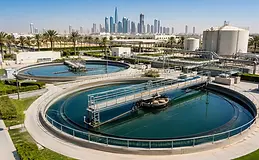
Qatar Water Reuse & Wastewater Infrastructure
Support treated wastewater reuse, water reuse systems, wastewater monitoring, and water security initiatives.
Designed to support:
✅ Wastewater reuse
✅ Water reuse systems
✅ Wastewater monitoring systems
✅ Infrastructure visibility
✅ Sustainable water management
✅ Wastewater treatment performance

Middle East Wastewater Reuse Programmes
Support wastewater infrastructure, treated wastewater reuse, utility resilience, and regional water security objectives.
Designed to support:
✅ Water reuse programmes
✅ Wastewater asset management
✅ Wastewater monitoring
✅ Infrastructure resilience
✅ Sustainable water management
✅ Long-term wastewater performance
WHO IS THIS DESIGNED FOR?

Utility
Executives
Improve wastewater treatment performance, support wastewater management objectives, and strengthen long-term infrastructure planning.

Wastewater Operations Managers
Improve day-to-day wastewater treatment performance, wastewater monitoring, sludge management, and operational efficiency.

Process
Engineers
Support wastewater treatment optimisation, wastewater reuse objectives, and treatment plant performance.

Asset
Managers
Improve wastewater asset management, infrastructure visibility, and long-term operational planning.

Environmental
Regulators
Support wastewater management outcomes, environmental performance, and operational transparency.

Consultants &
Integrators
Support wastewater treatment projects, technology evaluations, wastewater monitoring programmes, and infrastructure planning.
Are you ready to engage or just have questions?
Contact Us:
147 Princes Street East, Ōtāhuhu, Auckland 1062, New Zealand
What Wastewater Challenges Are You Trying To Improve?

Wastewater Treatment Performance
Support more stable wastewater treatment outcomes across varying operational conditions.

Wastewater
Monitoring
Improve visibility across wastewater assets, treatment systems, and distributed wastewater infrastructure.

Wastewater Sludge Management
Support sludge settling behaviour and improved wastewater treatment performance.

Wastewater Odour
Control
Support wastewater management strategies aimed at reducing operational pressure associated with excessive organic loading.

Wastewater Lagoon Management
Support stabilisation ponds, wastewater lagoons, oxidation ponds, and facultative pond treatment environments.

Water Reuse
Systems
Support wastewater reuse programmes, treated wastewater reuse initiatives, and sustainable water management objectives.

Industrial Wastewater Treatment
Support industrial wastewater facilities seeking improved wastewater treatment performance and operational efficiency.

Cyanobacteria & Algae In Wastewater Ponds
Support wastewater pond treatment and long-term wastewater management outcomes.

Wastewater Asset
Visibility
Support wastewater monitoring systems and operational visibility across distributed wastewater assets.

Wastewater Management & Operational Efficiency
Support more efficient wastewater treatment operations through monitoring, treatment, and long-term operational support.
WHAT IS WASTEWATER WQaaS?
Wastewater Treatment Beyond Equipment
Water Quality as a Service (WQaaS) is a wastewater treatment using a non-chemical ultrasonic solution, combined with remote monitoring, operational reporting, telemetry-enabled visibility, and long-term support into a scalable wastewater management framework.
This approach helps organisations manage wastewater more effectively while supporting long-term treatment objectives, wastewater reuse goals, and sustainable wastewater operations.

Are you ready to engage or just have questions?
Contact Us:
147 Princes Street East, Ōtāhuhu, Auckland 1062, New Zealand

WASTEWATER MONITORING & OPERATIONAL VISIBILITY
Improve Visibility Across Your Wastewater Assets
Effective wastewater management requires more than treatment alone. It requires visibility into system performance, deployment status, and operational conditions over time.
Hydro Synergy's telemetry-enabled monitoring environment supports wastewater operators, utilities, consultants, and asset managers seeking greater visibility across wastewater treatment systems and distributed wastewater infrastructure.
Monitor What Matters. See What's Happening.

Asset
Visibility
See all wastewater assets and treatment systems in one platform.

Deployment
Monitoring
Track system deployments and equipment status in real time.

Historical
Trends
Access historical data and trends to understand long-term performance.

Multi-site
Oversight
Monitor multiple sites and assets from a unified monitoring platform.

Remote
Monitoring
Telemetry-enabled monitoring from anywhere anytime.

Operational
Reporting
Automated reports and insights to support better decision-making.
Monitoring as part of WQaaS
Monitoring forms an important part of Hydro Synergy's Water Quality as a Service (WQaaS) framework.
By combining wastewater treatment with monitoring and long-term operational support, organisations gain greater visibility into wastewater performance over time.

Assess
Understand your site and challenges

Design
Build a strategy that fits

Deploy
Implement wastewater treatment solutions

Monitor
Track performance and visibility.

Support
Ongoing operational support
The WQaaS Framework
Are you ready to engage or just have questions?
Contact Us:
147 Princes Street East, Ōtāhuhu, Auckland 1062, New Zealand
WASTEWATER REUSE & WATER REUSE PROGRAMMES

Supporting Water Reuse
Systems
Water reuse systems play an increasingly important role in helping organisations maximise water resources while supporting environmental and operational objectives.
Applications may include:
-
Treated wastewater reuse
-
Irrigation reuse
-
Industrial water reuse
-
Water recycling initiatives
-
Environmental water management
-
Sustainable water management programmes

Helping Organisations Pursue Water Reuse Objectives
Successful wastewater reuse programmes often depend on consistent wastewater treatment performance and ongoing wastewater monitoring.
Designed to support:
-
Wastewater reuse
-
Water reuse systems
-
Recycled water programmes
-
Sustainable water management
-
Long-term water security objectives

Supporting Water Security & Infrastructure Resilience
Many regions face increasing pressure to maximise existing water resources.
Hydro Synergy supports organisations seeking practical pathways toward more sustainable wastewater management and water reuse outcomes.
Designed to support:
-
Sustainable water management
-
Water security initiatives
-
Infrastructure resilience
-
Environmental sustainability
-
Long-term operational efficiency
IMPROVE WASTEWATER TREATMENT PERFORMANCE

Support Sustainable Wastewater Management
Sustainable wastewater management requires balancing treatment performance, operational efficiency, environmental outcomes, and long-term infrastructure objectives.
The WQaaS framework helps organisations support these priorities through a combination of treatment, monitoring, visibility, and ongoing support.

Support Wastewater Lagoon Performance
Hydro Synergy supports the following while helping operators pursue improved wastewater treatment performance:
✅Facultative pond treatment
✅Maturation pond treatment
✅Wastewater lagoon treatment
✅Wastewater lagoon management
✅Stabilisation pond treatment

Support Industrial Wastewater Treatment
Hydro Synergy supports industrial wastewater treatment applications seeking:
✅Wastewater monitoring
✅Long-term operational efficiency
✅Wastewater management support
✅Improved wastewater treatment performance

Support Wastewater Treatment Performance
Support more stable wastewater treatment outcomes through:
✅Wastewater monitoring
✅Wastewater management
✅Water reuse support
✅Wastewater treatment
support
✅Long-term operational
assistance

Support Wastewater Sludge Management
Hydro Synergy's approach is ddesigned to help organisations address wastewater sludge management challenges while supporting broader wastewater management objectives.
WASTEWATER TREATMENT APPLICATIONS
Solutions Across Diverse Wastewater Environments

Wastewater Treatment
Plants

Wastewater
Lagoons

Stabilisation
Ponds

Facultative
Ponds

Maturation
Ponds
Industrial Wastewater
Facilities
Water Reuse
Systems
Environmental Water
Systems
Distributed
Wastewater Assets
Choose Your Next Step
Are you ready to engage or just have questions?
Contact Us: