


JUMP TO THE SECTION THAT MATTERS
Find the information that matters to you.


Are you ready to engage or just have questions?
Contact Us:


147 Princes Street East, Ōtāhuhu, Auckland 1062, New Zealand
EXPERIENCE ACROSS NEW ZEALAND WATER ENVIRONMENTS
.png)

.png)


IS THIS WHAT YOU'RE EXPERIENCING?
Are These Source-Water Conditions Increasing Pressure on Your Plant?

Taste and
odour
Recurring taste and odour events linked to geosmin and 2-MIB can increase customer complaints and add pressure across drinking water treatment operations.

Variable Source-Water Conditions
Changes in TSS, organic load and taste and odour drivers can make incoming water less predictable and increase the effort required to maintain stable treatment.

Increasing Operational Pressure
Variable source-water conditions can contribute to more frequent dosing adjustments, filter loading, backwashing and operator intervention, increasing operating-cost pressure over time.

Reduced Operational Confidence
When source-water conditions become less predictable, operators and engineers have less certainty about what is changing, why it is changing and which response is most appropriate.
WHY IT STARTS BEFORE TREATMENT
Why Better Drinking Water Treatment Starts with Better Source Water
Every stored source-water environment behaves differently. Weather, catchment conditions, seasonal patterns, and intake location can change the TSS, organic load, and taste and odour drivers entering treatment.
That means the first question is not which technology to install. It is what is changing upstream, how that change is affecting the plant, and what evidence is needed to define the right response.
Hydro Synergy begins with a Drinking Water Assessment to understand the source-water conditions, operating context, and treatment objectives before recommending an engineering, monitoring or deployment pathway.
Seasonal taste and odour events begin in the source water, not the treatment plant.


Drinking Water Reservoir
Conditions influenced by climate, catchment, and human activity.
Source Water Conditions
Variability in raw water quality creates pressure on treatment processes.
Hydro Synergy
Hydro Synergy assesses and, where technically appropriate, deploys here
Drinking Water Treatment Plant
Processes work more efficiently with more stable source water.
High Quality Drinking Water
Delivered to your community with confidence.
Are you ready to engage or just have questions?
Contact Us:
147 Princes Street East, Ōtāhuhu, Auckland 1062, New Zealand
HYDRO SYNERGY IS BUILT AROUND BETTER DECISIONS
Make Better Drinking Water
Decisions
Better drinking water treatment starts with better information. By continuously monitoring source water conditions, verifying operational performance, and identifying changing water quality trends, Hydro Synergy helps drinking water utilities make informed operational decisions, improve treatment performance, and reduce long-term operational risk.
The earlier a change is detected, the more options you have.
Better Source Water Understanding
Develop a clearer understanding of how source water conditions change over time.

Non-Chemical Source Water Management
Support existing treatment processes through upstream source water management.

Operational Visibility
Monitor changing source water conditions to support informed operational decisions.

Long-Term Engineering Support
Work alongside your team to continuously improve operational performance over time.

WHERE HYDRO SYNERGY NON-CHEMICAL DRINKING WATER TREATMENT FITS
Designed Around Your Drinking Water Infrastructure

Drinking Water
Reservoirs
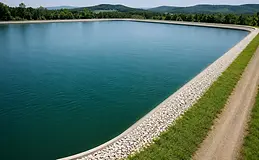
Improve source water quality and reduce treatment variability by stabilising reservoir conditions before they affect drinking water treatment.

Drinking Water
Dams
Support source water management to improve raw water quality, strengthen treatment performance, and reduce operational risk.

Intake
Zones
Protect source water quality at critical intake points to support consistent drinking water treatment and operational performance.
Raw Water
Storage
Maintain stable source water conditions before treatment to improve water quality and support reliable plant performance.

Operators
✅ More stable source
water conditions
✅ More reliable drinking
water treatment
✅ Stronger water quality
monitoring
✅ Less manual intervention


Engineers
✅ Better source water risk
management
✅ Stronger treatment
barrier performance
✅ Defensible water quality
data
✅ Clear treatment upgrade
pathway


Executives
✅ Better OPEX and CAPEX
planning
✅ Stronger drinking water
compliance
✅ Greater water supply
resilience
✅ Lower water treatment
operating cost pressure

Operational Outcomes That Matter to Decision-Makers
Supporting source water operations from day-to-day performance through to long-term strategic planning.
By improving upstream source water conditions, we help you achieve more consistent drinking water treatment outcomes every day.
Are you ready to engage or just have questions?
Contact Us:
147 Princes Street East, Ōtāhuhu, Auckland 1062, New Zealand
Why Water Utilities Partner With Hydro Synergy
Choosing the right approach isn't just about today's treatment challenges. It's about having confidence that every operational decision supports safer drinking water, more resilient operations, and better long-term outcomes.
That's why Hydro Synergy works alongside drinking water utilities as a long-term technical partner, helping teams make informed decisions that strengthen source water quality before those challenges reach the treatment plant.
Every recommendation we make is built on these six principles.

Science-Based
Recommendations grounded in scientific understanding of source water behaviour.

Engineering-Led
Practical engineering assessment tailored to your source water and infrastructure.

Non-Chemical
Supporting source water quality without routine chemical intervention.

Operational Visibility
Better insight into changing source water conditions to support confident decision-making.

Long-Term Partnership
Ongoing technical support to help optimise operational performance over time.

Designed For Your Utility
Every deployment is tailored to your source water, infrastructure, and operational objectives.
WHAT HYDRO SYNERGY TELEMETRY BRINGS TO YOUR BUSINESS
See What's Changing. Know What's Working.

Water Quality
Monitoring
Monitor changing source water conditions to detect risks early and support proactive drinking water treatment decisions.

Performance
Verification
Measure treatment performance over time to verify improvements and build confidence in operational outcomes.

Trend
Analysis
Track long-term water quality trends to improve planning, reduce risk, and support informed operational decisions.

Operational
Reporting
Generate clear operational reporting that supports compliance, engineering reviews, and executive decision-making.

Continuous
Optimisation
Use ongoing operational insight to improve drinking water treatment performance and adapt to changing source water conditions.

Confident
Decisions
Turn operational data into reliable evidence that helps operators, engineers, and executives make better decisions every day.
FROM DATA
TO DECISIONS
Real-time insight. Verified outcomes. Confident decisions.
That's how we help your team deliver safer drinking water with greater certainty.

Secure. Reliable. Purposefully built for drinking water operations.

Data security and quality
you can trust.

Clear insight. Actionable.
Practical.

Form expected load time: 3 seconds
If the form is blocked on your browser, contact us at support@hydrosynergy.co.nz
Assessment Form is loading.
Please wait a moment... Thank you for your patience.
Are you ready to engage or just have questions?
Contact Us:
147 Princes Street East, Ōtāhuhu, Auckland 1062, New Zealand
Drinking Water FAQs
Ready to improve your water quality?
Cloud-connected visibility across your remote water deployments.